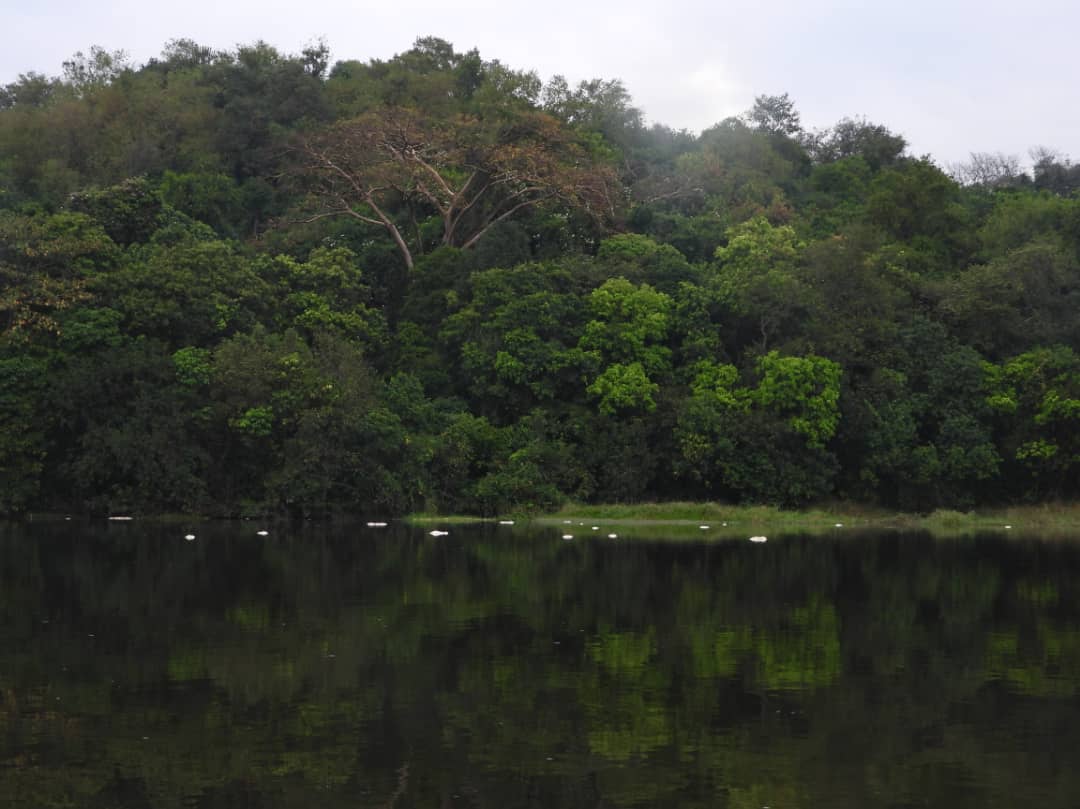
Mabira Forest canopy reflected in water
From Jinja · Full-day guided hike

Mabira
Forest.

One of Uganda's largest surviving tropical rainforests. 306 square kilometres of ancient canopy, 316 bird species, habituated grey-cheeked mangabeys, and trails that feel nothing like a Jinja afternoon.

Easy – Moderate Full day All fitness levels Departs Jinja
The forest

306 sq km of
untouched canopy.

Mabira Forest Reserve has been protected since 1932. It sits about 30 minutes from Jinja along the Kampala highway — close enough for a day trip, wild enough that you won't believe you're near a city. The canopy is dense, the air is cooler than the valley, and the birdsong hits you immediately when you leave the road behind.

The forest is home to species you won't find anywhere else in Uganda. The grey-cheeked mangabey — endangered, endemic — lives here in habituated troops that are used to people moving through their territory. Get the timing right and you'll see them up close. The Great Blue Turaco, the Nahan's Francolin, the African Grey Parrot: this is one of the best birding sites in East Africa.

We offer this as a full-day trip from Jinja. Moses knows the trails, knows where the mangabeys range in the morning, and knows how to move through the forest without disturbing it. It's a completely different experience from the river — and the two together make for one of the best days you can have in Uganda.

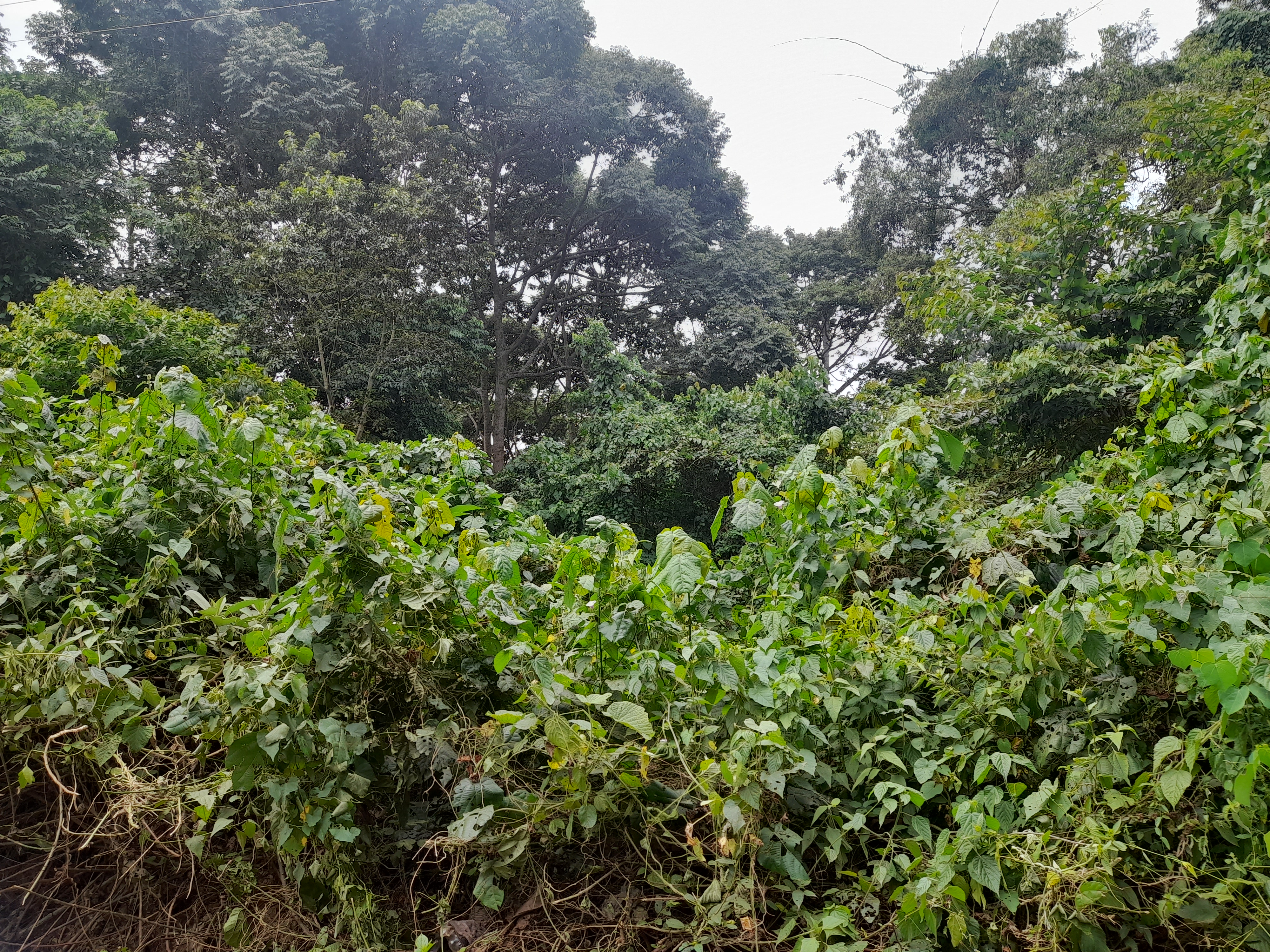
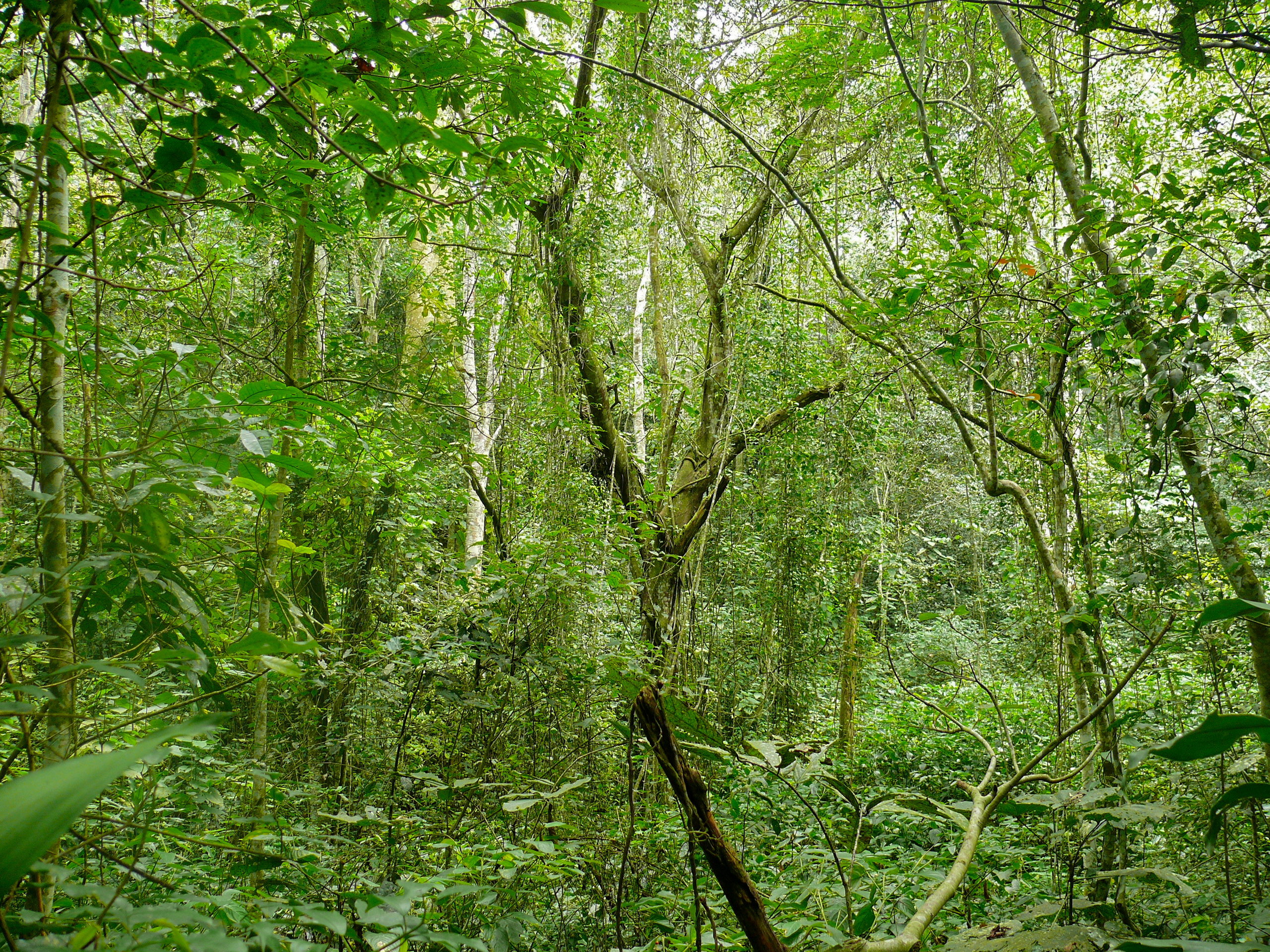
Dense Mabira Forest understorey — vines and ancient trees
Your day

How the day runs

07:00

Depart Jinja

Meet Moses at the Float the Nile base in Jinja. Early start gets you into the forest before the day heats up — and before the tourist traffic. The drive to Mabira takes about 30–45 minutes along the Kampala highway.

08:00

Sezibwa Falls optional add-on

If you want a stop on the way, Sezibwa Falls is worth it. A short walk through lush riverine vegetation leads to a waterfall that holds genuine significance in Buganda culture — ancestral spirit worship still happens here. Not a tourist performance. About 45 minutes total.

09:00

Enter Mabira Forest

Registration at the forest entrance, then straight in. The trails are well-maintained and clearly marked — forest staff maintain them year-round. Your guide will explain what you're looking at: the 200+ tree species, the medicinal plants that local communities have been harvesting for generations, the cacao trees that are evidence of habitation before Mabira became a protected reserve.

09:30

Wildlife trail & birding

The core of the hike. Roughly 2–3 hours on the trails, moving at a pace that lets you actually stop and look. This is where you'll encounter the grey-cheeked mangabeys if they're ranging in the morning — they're habituated so they don't run, but they're wild, so there's no guarantee. Red-tailed monkeys are more reliably spotted. For birders, the Great Blue Turaco and the Nahan's Francolin are the targets. Bring binoculars.

12:30

Lunch in the forest

Midday break at the Rain Forest Lodge, just inside the reserve boundary. Local food, shade, cold drinks. A chance to compare notes on what you saw, dry off if the forest was wet, and rest before the afternoon.

14:00

Return to Jinja

Back in the vehicle and an easy drive east toward Jinja. You'll be back by mid-afternoon — enough time to add a boat cruise on the Nile if you want to end the day on the water.

What lives here

316 birds.
219 butterflies.
One very rare monkey.

🐾

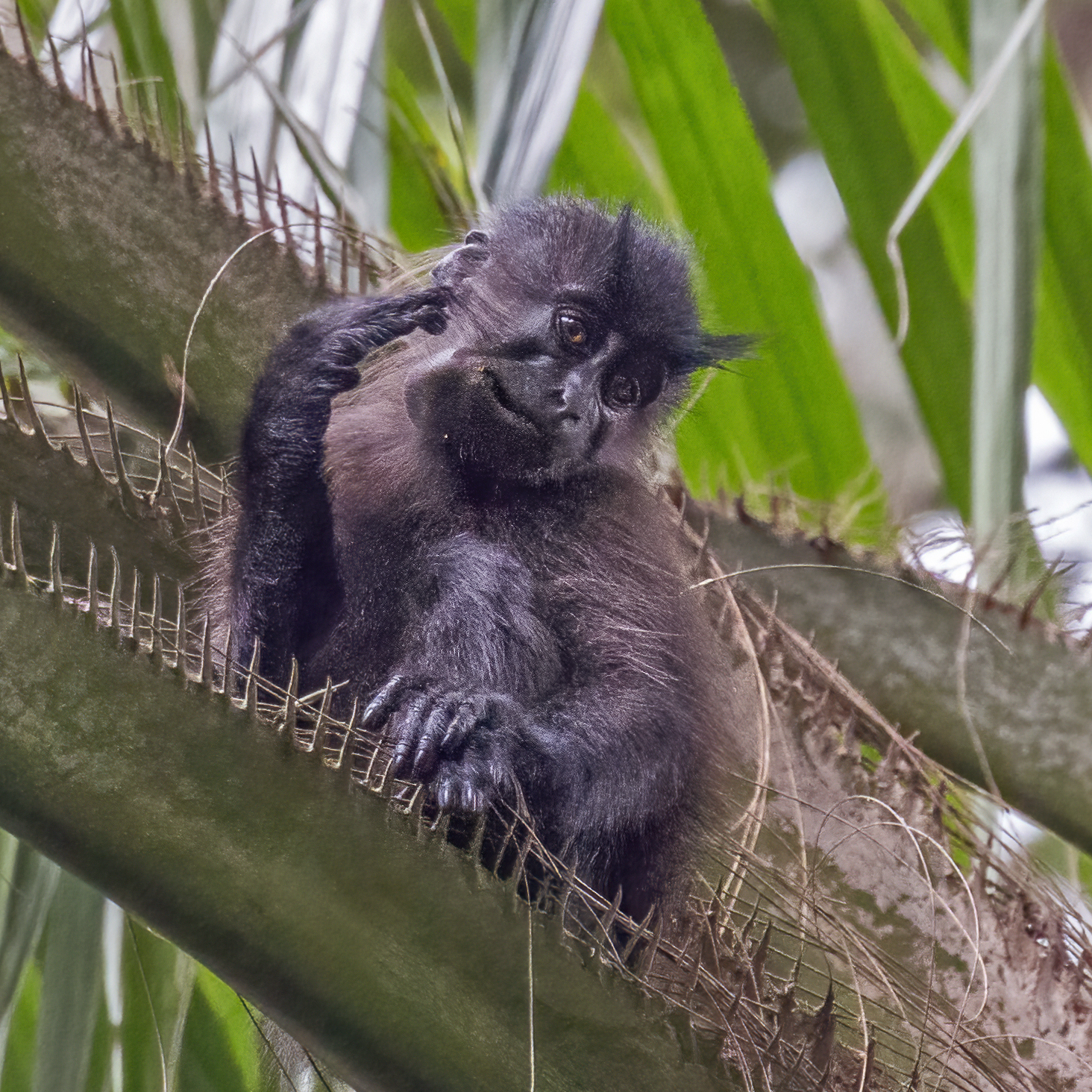
Grey-cheeked Mangabey

Endangered and endemic to this forest. The troops in Mabira are habituated — they've been observed by researchers for years — so they won't bolt when you approach. A genuinely rare encounter.

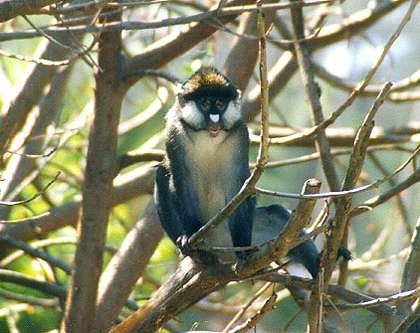
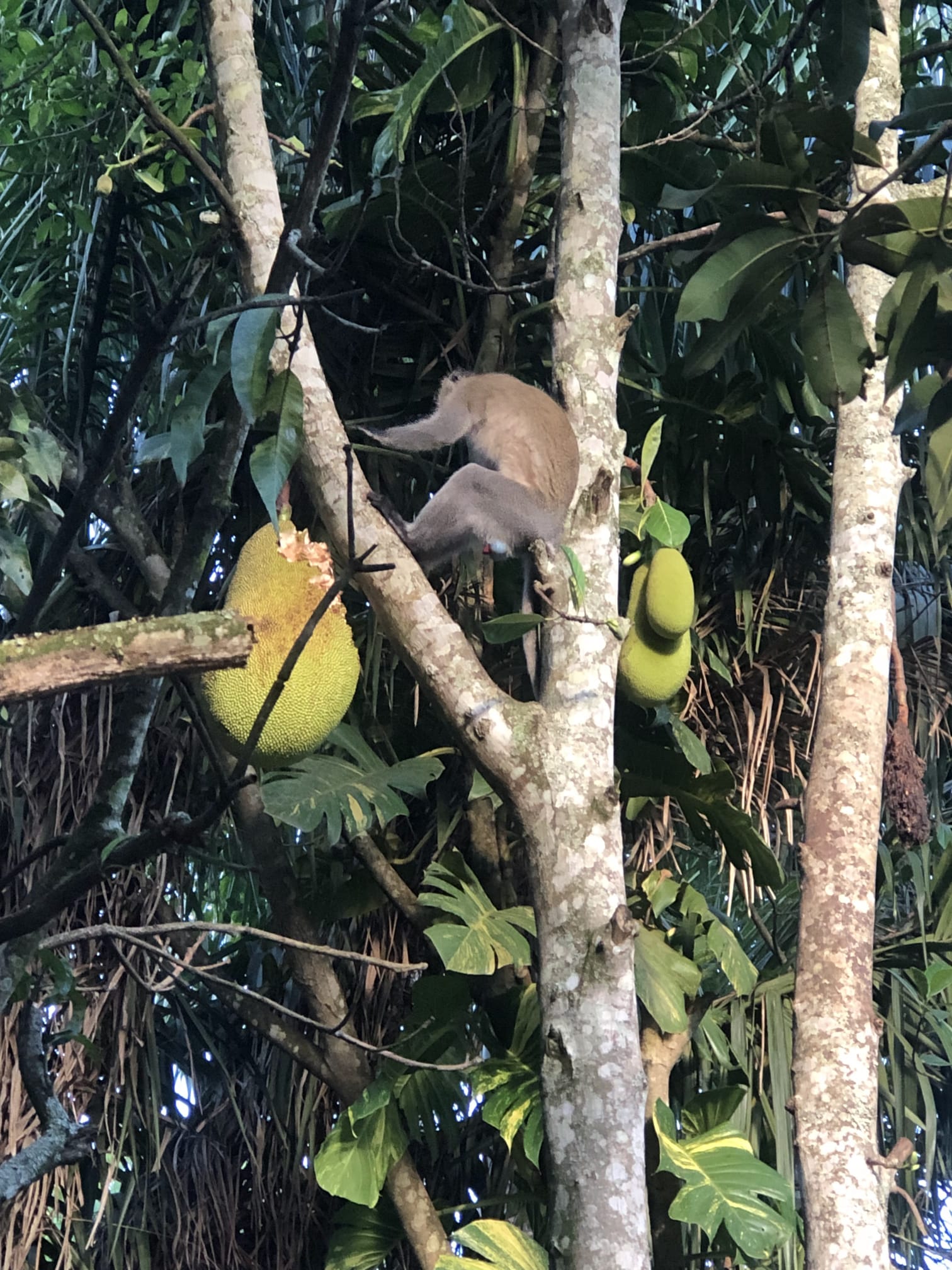
Red-tailed monkey in Mabira Forest

Red-tailed & Vervet Monkeys

More reliably spotted than the mangabeys. Red-tails are striking — russet tail, white nose patch. You'll likely hear them long before you see them moving through the upper canopy.

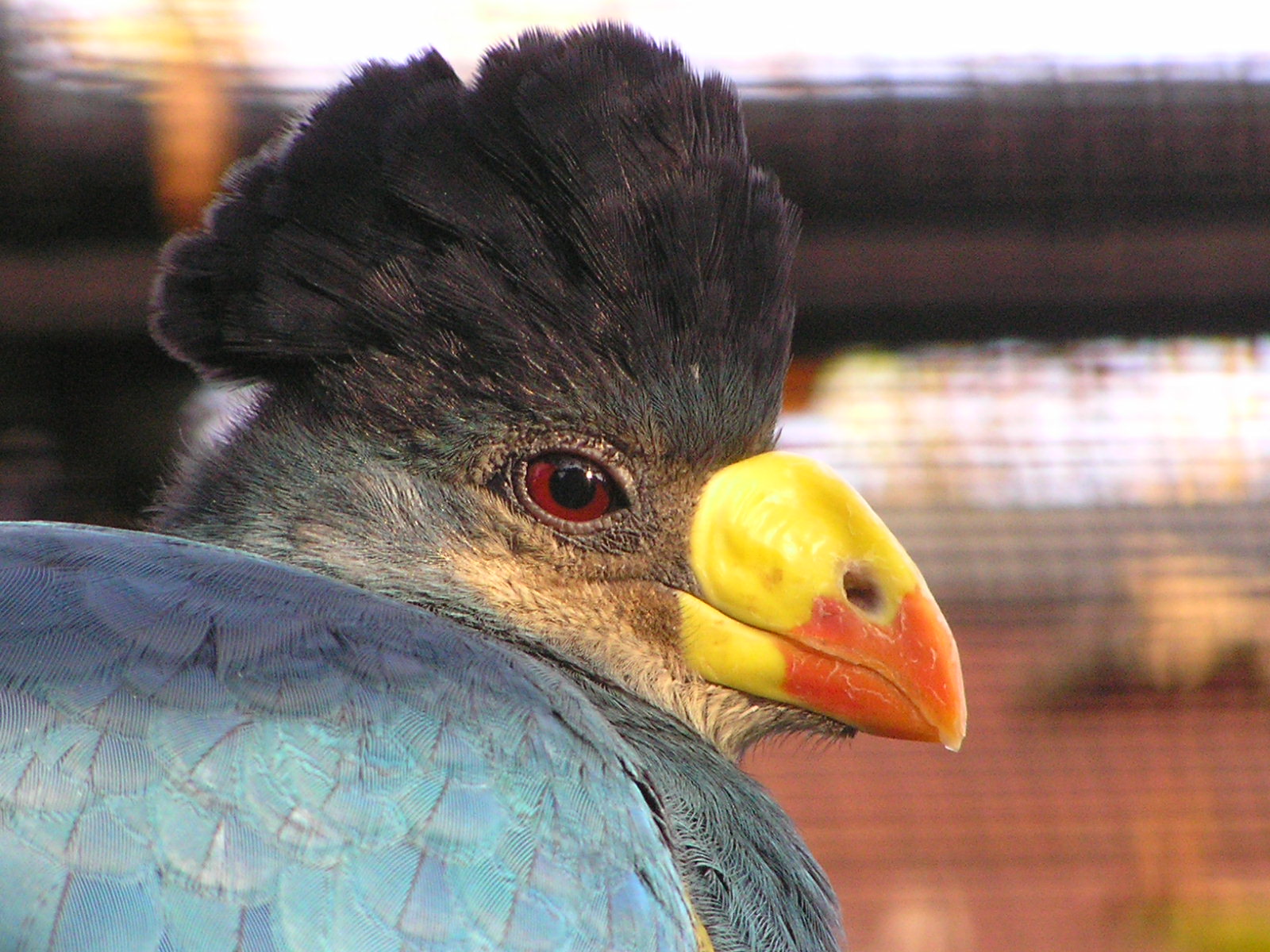
Great Blue Turaco — vivid blue-green plumage, yellow-red bill, Mabira Forest

Great Blue Turaco

The signature bird of Mabira. Huge, prehistoric-looking, unmistakably blue-green with a yellow-red bill. Slow-moving enough that you can watch it for a long time if you find one. 316 bird species total in the reserve.

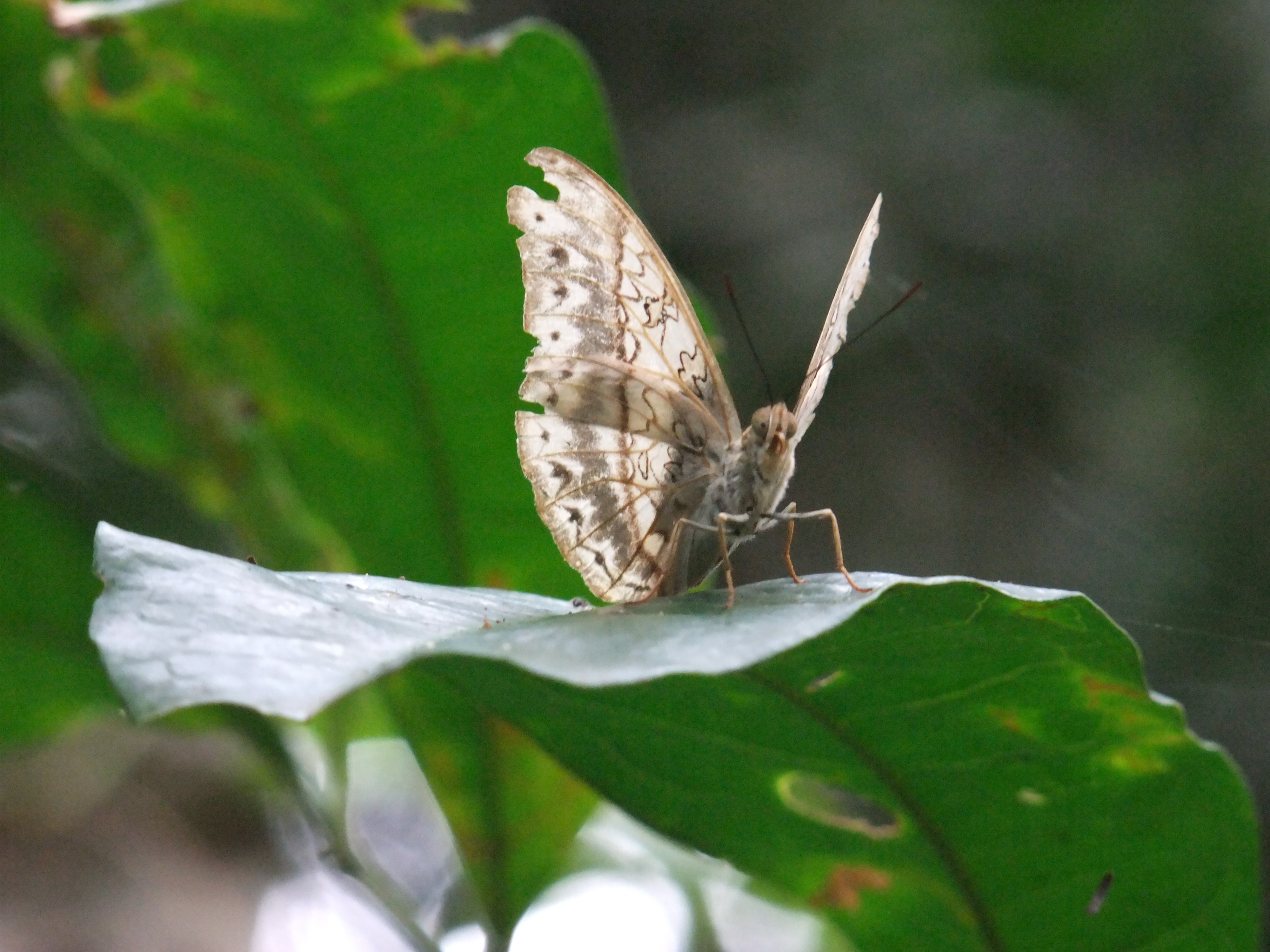
Butterfly on a leaf in Mabira Forest, Uganda

Butterflies

219 species recorded. Some forest clearings are thick with them in the morning — swallowtails, monarchs, forest-specialists you won't see outside intact canopy. Photographers tend to spend longer than planned in these spots.

🐦

Nahan's Francolin

A globally threatened species. Heard more often than seen — a rapid, distinctive call low in the undergrowth. Getting a sighting is one of those moments birders remember.

🌿

Medicinal Plants & Ancient Trees

Over 200 tree species, many used in traditional Baganda medicine for centuries. Your guide will point out the malarial remedies, the cacao trees left from pre-reserve habitation, and the canopy species that pre-date any building in Jinja.

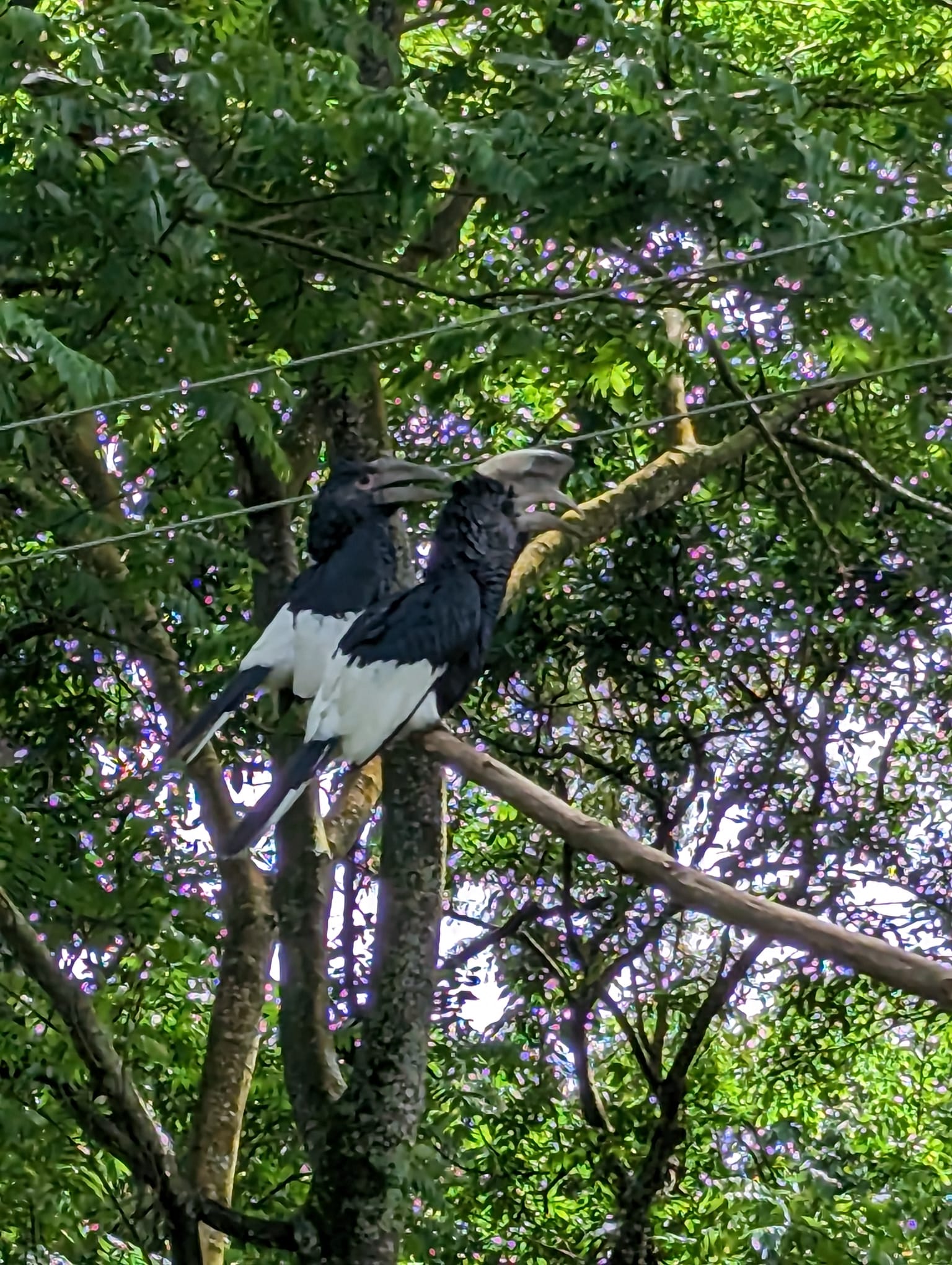
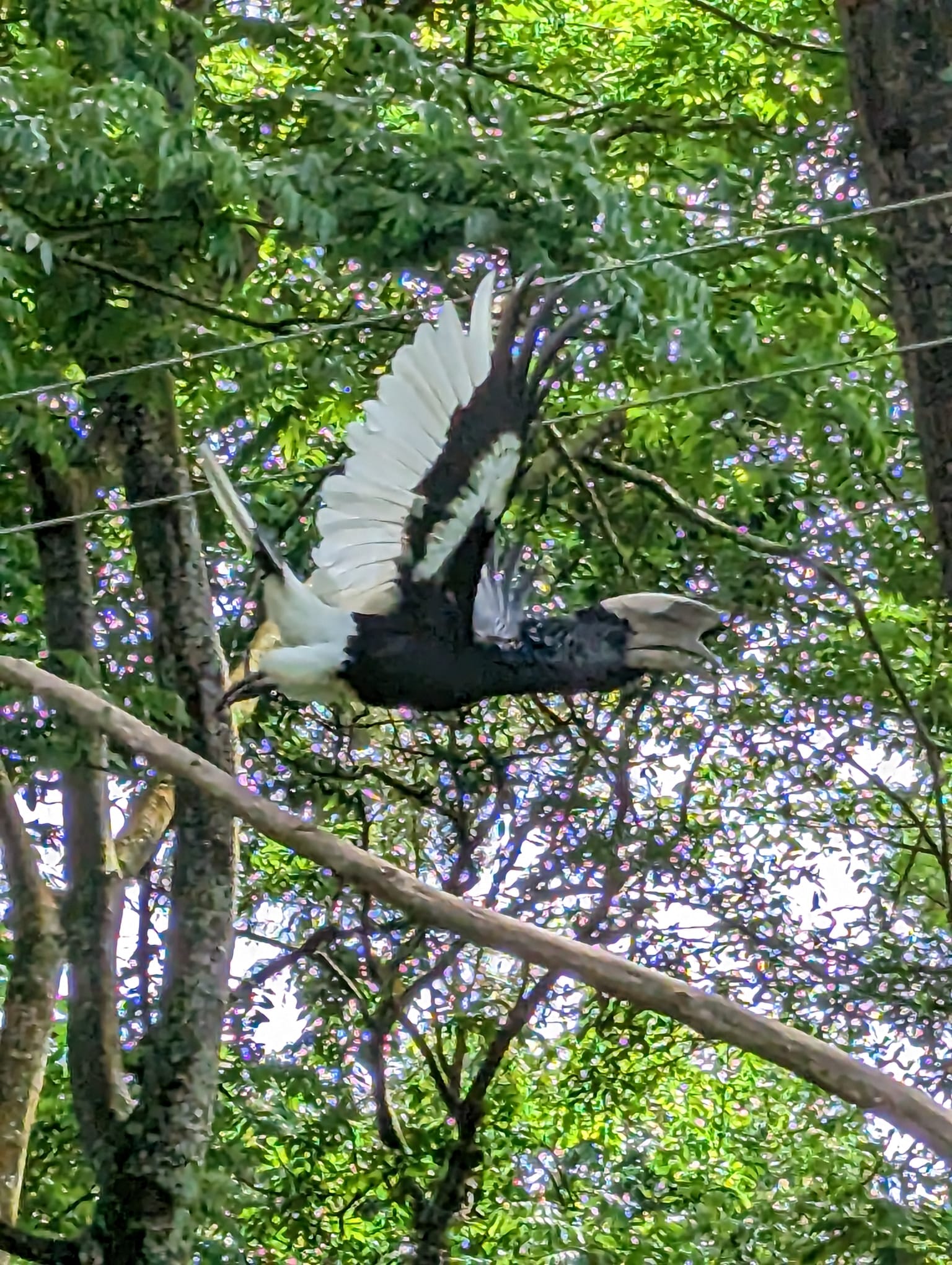
Black and White Casqued Hornbill pair perched on a branch in the forest canopy

Black & White Casqued Hornbill

One of Mabira's most striking residents — massive bill, bold black-and-white plumage, loud wingbeats you hear before you spot them. Often found in pairs in the upper canopy. A serious sighting for any birder.

Packing list

What to bring.
What to leave behind.

Bring this

  • Sturdy closed-toe shoes or hiking boots

    Trails can be muddy and rooted. Sandals or flip-flops are not suitable and won't be allowed on the forest trails.

  • Light rain jacket or packable poncho

    Mabira is a rainforest. It can rain at any time of year. A jacket that packs small is better than an umbrella on the trails.

  • Long-sleeve lightweight shirt

    Helps with insects and sun in open sections. Doesn't need to be heavy — the forest is cooler than the valley.

  • Insect repellent

    DEET-based works best for forest conditions. Apply before you enter, not after you're already in there.

  • Binoculars

    Not essential, but if you're interested in birds or want to properly see the mangabeys in the canopy, you'll wish you had them. Even a cheap pair is worth it.

  • Camera

    Phone cameras work fine in the forest — the light is lower so stabilisation helps. Bring a spare battery or power bank.

  • Sunscreen

    For the drive, the open sections, and the lunch stop. The forest canopy provides shade on the trails but not everywhere.

  • Small daypack

    To carry your jacket, camera, water, and snacks. Keep your hands free on the trails.

Leave this behind

  • ×
    Sandals or flip-flops

    Roots, mud, and uneven terrain make open footwear unsafe on forest trails. You will be asked to stay at the entrance.

  • ×
    Bright or neon colours

    Wildlife — particularly the mangabeys — responds to colour. Muted greens, browns, and greys are ideal. Bright colours reduce your chances of good wildlife encounters.

  • ×
    Single-use plastic bottles

    We supply water. The forest is a protected reserve and we operate a strict no-plastic-waste policy on all Float the Nile trips.

  • ×
    Bluetooth speakers or loud music

    The point of being in a forest is the forest. Noise disturbs wildlife and ruins the experience for everyone on the trail.

  • ×
    Valuables you don't need

    Leave expensive jewellery, extra cash, and anything you'd be upset to lose at your accommodation. Bring only what you'll actually use.

  • ×
    Strong perfume or cologne

    Scent travels differently in forest humidity and can alert wildlife before you get close. Skip it on hike day.

What’s included

Trip details

Included in the price

  • Transport Jinja → Mabira → Jinja
  • Local guide throughout
  • Forest reserve entry fees
  • Drinking water on the trail
  • Lunch at Rain Forest Lodge
  • × Sezibwa Falls stop (optional add-on)
  • × Beverages beyond water
  • × Gratuities not included
Good to know
Duration Full day — approx. 7 hours
Difficulty Easy to moderate — suitable for all fitness levels
Group size 2 to 12 people
Best season Dec – Feb & Jun – Sep (dry, clearer trails)
Year-round We run in the wet season too — forest is green, trails are muddier, fewer people
Departs 07:00 from Float the Nile base, Jinja
Make it a two-day trip

Forest in the morning.
River in the afternoon.

The hike returns to Jinja by mid-afternoon — which gives you enough time to add a tubing trip or a boat cruise on the Nile the same day, or book both for two consecutive mornings. Most guests who do the combination say it's the best way to see what the region actually offers.

316 bird species in Mabira
219 butterfly species
306 sq km of protected forest
1932 year the reserve was established

Ready for
the forest?

Message us on WhatsApp to check availability and lock in a date. We'll confirm your spot, answer any questions, and send you everything you need to know before the morning of your hike.